
- /
New Construction: What Buyers Should Really Know Before They Build
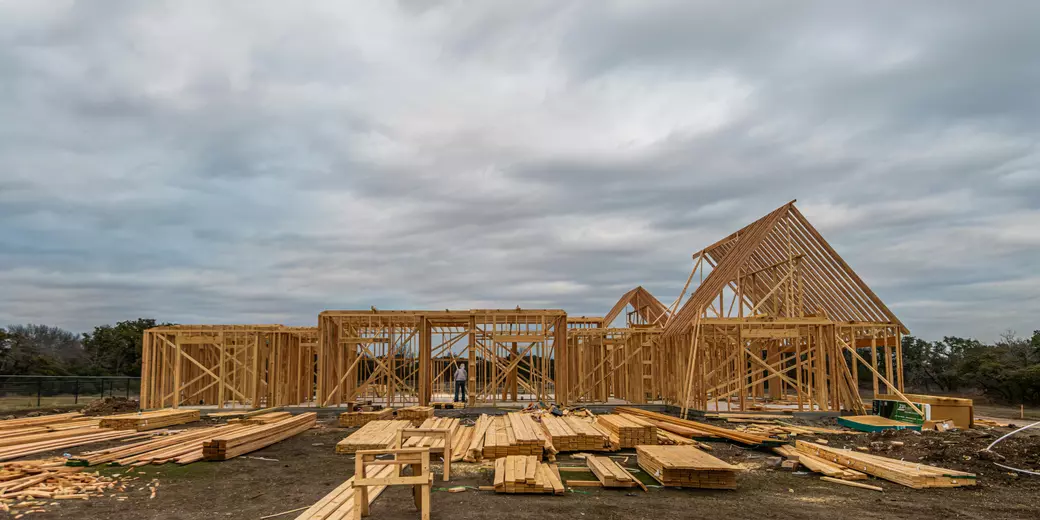
New construction can be a great option. A brand-new home, modern layouts, energy efficiency, and the chance to make design choices along the way — all of that is exciting.
But after years of working in new construction, I’ve learned that the process goes a lot smoother when buyers understand how it really works — not just how it looks in a model home.
I bring a different perspective because I didn’t just work with builders — I worked for one, representing the builder directly. My job was to guide buyers through the process, and I always focused on helping them understand expectations upfront so there were no surprises later.
The Timeline Matters — Not Because of Delays, but Because of Planning
Today, construction timelines are much more stable than they were during COVID. With the builders I worked with, delays generally weren’t the issue.
What does matter is understanding the builder’s timeline and planning your own move around it.
Many buyers are building while still living in their current home, which means timing the sale of that home is critical. Builders follow their construction schedule, and buyers need to be ready to move forward when the home is complete.
Knowing where the home is in the build process, when decisions need to be made, and what “ready to close” actually means helps buyers avoid unnecessary stress at the end.
New Construction Isn’t Passive — Buyers Have Deadlines Too
Building a home isn’t something you can put on autopilot.
Along the way, there are important appointments and decisions — especially when it comes to design selections. Design appointments happen on the builder’s schedule, and being prepared makes a big difference.
Having a clear budget, knowing what matters most to you, and understanding where you’re willing to compromise can make those appointments feel manageable instead of overwhelming.
You’ll also interact with builder representatives and construction managers throughout the process. Knowing who to go to with questions — and when — helps everything move more smoothly.
Model Homes Are Meant to Inspire (and They Can Be Confusing)
Model homes are beautiful for a reason — they’re designed to show what’s possible. But they can also be misleading if buyers don’t understand what’s included and what’s not.
Most model homes include upgrades such as:
- Additional windows
- Tray ceilings or ceiling beams
- Extended lanais
- Eight-foot doors
- Upgraded flooring, cabinets, and lighting
The base price often includes far less than what you see on display. A question I hear all the time is, “I love this model… but what can I actually get at my price?”
This is where many buyers struggle, and it’s also where I really enjoy helping. We break things down, prioritize what gives you the most impact, decide what makes sense to do now, and what can wait — all while keeping expectations realistic.
Incentives Can Help Close the Gap
Right now, many builders are offering incentives, and when used thoughtfully, they can make a big difference.
Incentives can help buyers:
- Add upgrades they care about most
- Offset closing costs
- Buy down interest rates
Sometimes it means getting many of the things you love right away. Other times it means planning for a few updates later. Either way, understanding how incentives work helps buyers make smarter choices.
Location and Builder Style Both Matter
In places like North Pinellas County, land is limited. There are a few pockets of new construction — like Innisbrook or communities such as Longleaf in Odessa — but if you want more flexibility in how your home is designed, you may need to be open to driving a little farther.
It’s also helpful to know that builders don’t all work the same way.
Some builders keep things pretty simple and streamlined. You choose a floor plan, pick from a few design packages, and move through the process with fewer decisions. For many buyers, that feels easier and less overwhelming.
Other builders offer more flexibility and customization, with more choices and more involvement along the way.
Neither approach is better than the other. It really comes down to how involved you want to be and what matters most to you. Once you understand that, it becomes much easier to narrow down which builders and communities are the right fit.
Final Thoughts
New construction can be a great experience when expectations are clear and planning happens early.
Having worked on the builder side, I understand how the process is structured and what buyers need to know to move through it confidently. My goal is to help buyers understand the timeline, the decisions, and the trade-offs — so the experience feels exciting instead of overwhelming.
Categories
Recent Posts







"My job is to find and attract mastery-based agents to the office, protect the culture, and make sure everyone is happy! "